Creature combat needs more than movement.
For Lords of the Fallen, the dark-fantasy action-RPG developed by HEXWORKS, a CI Games studio, Creature Bionics helped deliver motion capture and casting for a world built around weapons, monsters, cinematic movement, and heavy combat. At the center of that work was Ace Ruele, founder of Creature Bionics, whose background brings together acting, motion capture, creature performance, casting, and direction.
For a project like Lords of the Fallen, that mix mattered. The team needed performers who could handle swords, creatures, combat systems, and unusual body mechanics. They also needed a capture workflow that could move fast, work remotely, and deliver high-quality motion data for AAA-ready character work.
Xsens helped make that possible.
When fantasy combat needs more than clean movement
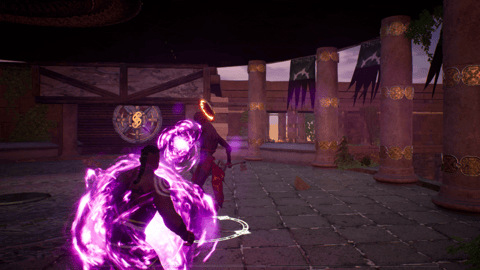
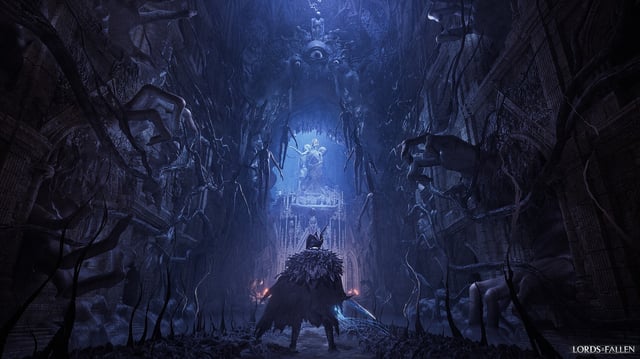
Lords of the Fallen is built around dark fantasy, medieval-inspired worlds, creatures, and intense combat. Ace described the project as a fantasy game with a strong focus on combat systems, creature work, and the feel of dark, Soulslike worlds.
That kind of production puts real pressure on motion capture. The work is not only about recording clean movement. It is about finding the right performer, shaping the action, reviewing the result, and repeating the process until the motion fits the character.
For Ace, motion capture was the right foundation because it gave the team access to real performance.
“Motion capture makes it more real,” Ace explains. “You can get the real emphasis of character performance, those nuances that you may not find in hand animation.”
The challenge was to keep that realism while capturing fast combat, creature movement, falls, rolls, jumps, and weapon-led action across a flexible production setup.
Lord of the Fallen Official Announcement Trailer
How Xsens kept capture flexible across locations
Xsens gave Creature Bionics a way to capture performance wherever the action made sense.
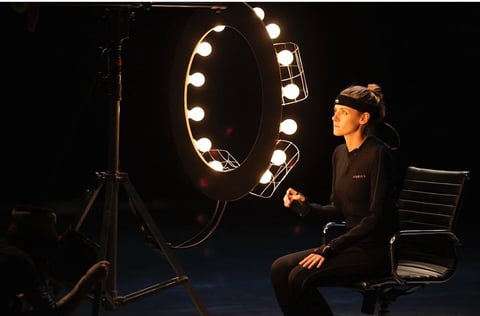
Shoots could happen in different spaces, from halls to larger rooms, smaller rooms, outside areas, and quick recapture setups. Much of the work was handled remote mocap game studio, with the team tuning in while Ace operated the Xsens setup and directed the performance capture on the floor.
Instead of being tied to a fixed stage, Creature Bionics could adapt around the movement. If a character needed more room to run, the team could go outside. If a move needed to be captured again, it did not require rebuilding a full capture volume.
Ace recalls how simple the working setup became: “All you needed was a space and one operator.”
That flexibility made Xsens part of the creative feedback loop. Before a shoot, Ace would align with the team on characters and reference material. During capture, he could direct the performer, operate the system, and share the Xsens screen with the remote team. After delivery, the game team could test the data on the character and request specific adjustments when the performance needed to change.
“We never really did a reshoot on a whole character,” Ace explains. “We might just reshoot movements if there was a better way to do the movement.”
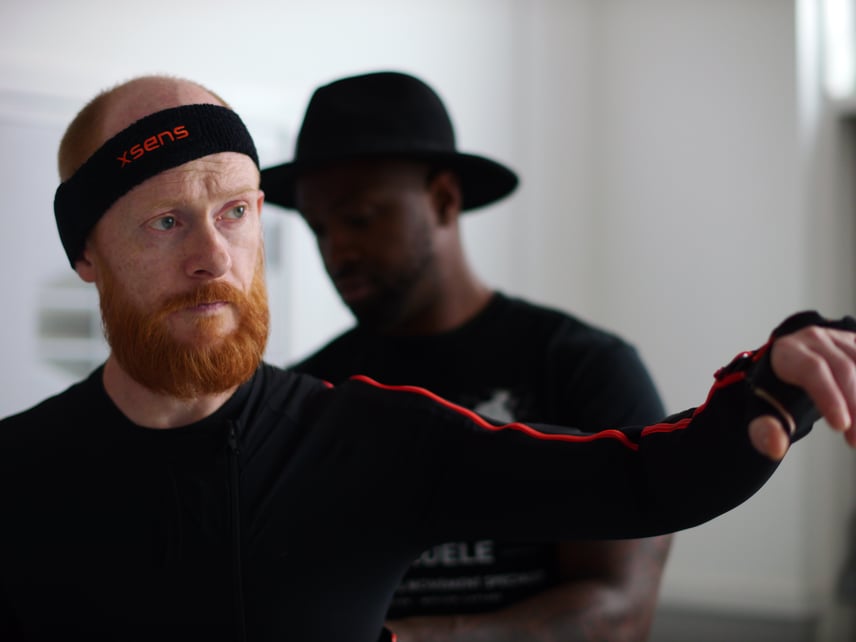
Xsens Link gave Creature Bionics the freedom to capture physical creature movement in a flexible production setup.
Making high-impact action easier to capture
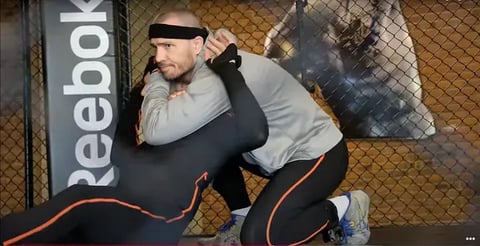
For Creature Bionics, the priority was always the performance. Some combat actions required performers to change grip, release props, or work through fast choreography. In those moments, the team made practical production choices around each move, so the performer could focus on body mechanics, timing, weight, and intent.
That approach helped keep the movement natural. The team could focus first on how a character attacks, recovers, absorbs impact, or changes direction. From there, the wider animation pipeline could support the final character and weapon work.
For impact work, the team also planned around the performer and the suit. If a performer needed to drop onto a crash mat or roll, they adjusted the setup to protect the hardware and keep the movement safe. The value was that these moments could be seen, reviewed, and solved during the session.
“There was nothing really specific to Xsens where we couldn’t do something,” Ace says. “We would always see it anyway. We would just reshoot it.”
That same production feedback connects naturally to the next-generation Xsens Link. With modular hub placement, teams can position the hub where it fits the performance best, including high-impact movement where back placement may not be ideal. For stunt, combat, and creature work, that gives performers more freedom while helping productions keep the reliability and data quality Xsens is known for.
What Xsens made possible for Creature Bionics
For Lords of the Fallen, Xsens helped Creature Bionics support a large volume of character movement with speed, flexibility, and remote production support.
The strongest outcomes were clear: capture could happen across multiple locations, the remote team could review motion during the session, and reshoots were mainly used to improve performance choices rather than fix broken data. Ace estimated a typical Xsens setup at around 20 to 30 minutes from laptop and suit setup through calibration, which helped keep the process practical and efficient.
That changed the role Creature Bionics could play. Ace was not only arriving as a performer. He could provide motion capture, help cast performers, direct movement, and support production from a broader creative and technical position.
“Having the suit gave me the opportunity to be like a coordinator,” Ace says. “It was being a part of the production rather than just being the actor.”
For human and creature performance sessions, Xsens gives teams the speed, flexibility, and high-quality motion data needed to keep production moving. For Creature Bionics, that flexibility helped turn motion capture into a broader production service. It was not only about data. It was about performance, casting, direction, and giving the team a way to keep characters moving.
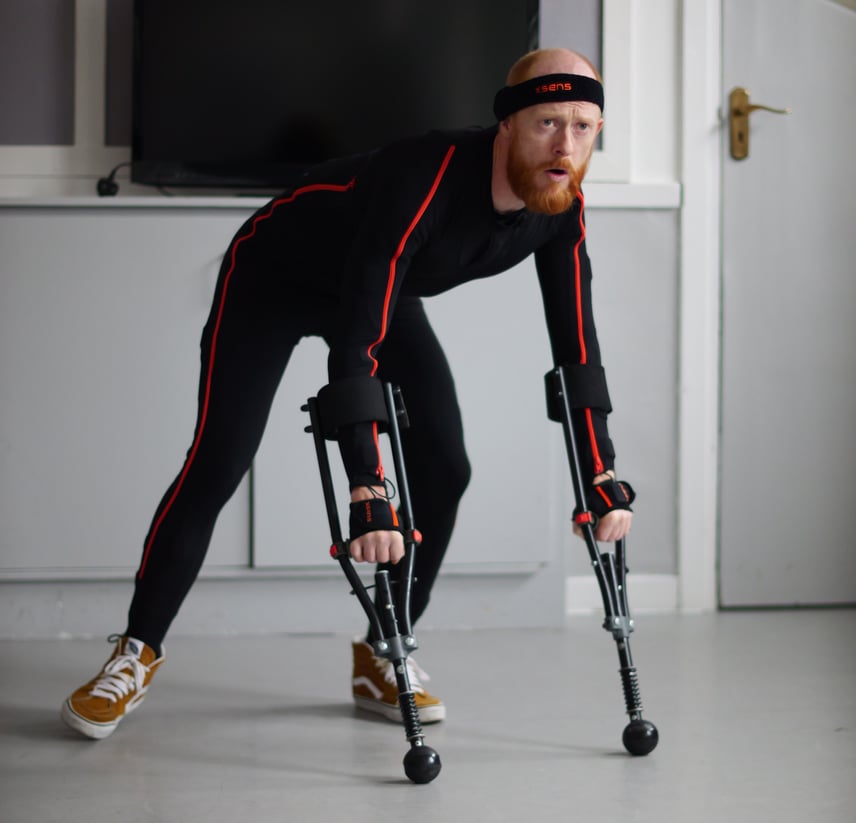
Ace Ruele uses Xsens Link with creature stilts to capture non-human movement for fantasy character performance.
Meet Creature Bionics
Creature Bionics focuses on creature and fantasy character performance. The company supports productions from early character development through performance direction, casting, training, mocap, and practical creature movement work.
Ace explains the idea simply: how do you take a creature that can be performed by an actor and help that actor create the strongest possible performance?
That includes understanding the physical demands of a character, advising on what can be handled through VFX, stunts, wires, mocap, or practical movement, and then helping cast or train the right performer. In some cases, Creature Bionics also builds quick previs using real-time tools, giving directors and teams an early look at how a creature could move before the final asset is ready.
“We’re actor focused, we’re performance focused,” Ace says. “How do we get a creature that can be played by an actor to create the best performance?”
For Lords of the Fallen, that meant Creature Bionics was not only providing mocap data. It helped connect performance, casting, direction, and capture into one flexible production workflow.
Interested in how game studios capture high-quality character animation with Xsens?
Explore Xsens for game development and discover how inertial motion capture helps teams capture real performance, review motion in real time, and keep production moving.