A camera can record movement, but can it understand performance?
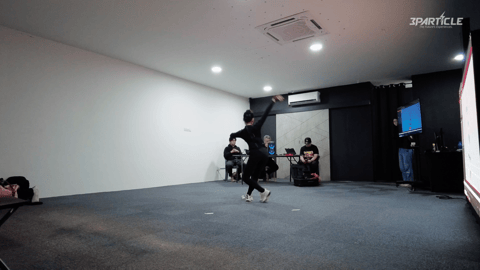
That is the simple idea behind a camera with motion tracking. Instead of using a camera only to capture footage, software analyzes the video and estimates how a person moves. It can identify body points like shoulders, elbows, hips, knees, and feet, then translate that movement into motion data. For animation, game development, VTubing, streaming, and virtual production, the appeal is easy to understand: place a camera, perform the movement, and use the result as a starting point for digital motion.
Why the concept is interesting
A camera with motion tracking is exciting because it makes motion capture feel more accessible. It suggests a workflow with less hardware, faster setup, and fewer technical barriers. For early animation blocking, previs, education, or quick creative experiments, that can be very useful. A camera-based workflow can help teams move from an idea to a visible performance faster, especially when speed matters more than final production quality.
The production question
Professional motion capture is not only about tracking movement. It is about capturing motion data that holds up in a real pipeline. Fast turns, overlapping limbs, changing lighting, body rotation, floor contact, and subtle spine movement can all make camera-based tracking more difficult. When the body is partly hidden from the camera, the system has to estimate what it cannot see. That is where the difference between “captured motion” and high-quality motion data becomes important.
Where inertial motion capture fits in
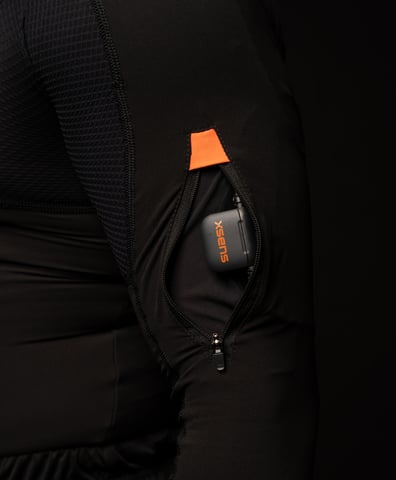
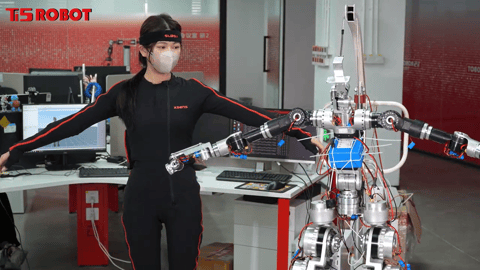
This is where inertial motion capture takes a different approach. Xsens does not rely on a camera to see the body from the outside. Xsens uses wearable inertial sensors that measure movement directly from the performer. The system combines miniature inertial motion trackers, wireless communication, sensor fusion, and biomechanical models to process full-body human motion capture.
In simple terms, a camera with motion tracking observes movement. Inertial motion capture measures movement. That difference matters when professionals need high-quality motion data for animation, virtual production, games, or live performance. Xsens Animate helps teams visualize, stream, export, play back, and reprocess motion capture data for 3D pipelines, with features such as quick calibration and real-time visualization.
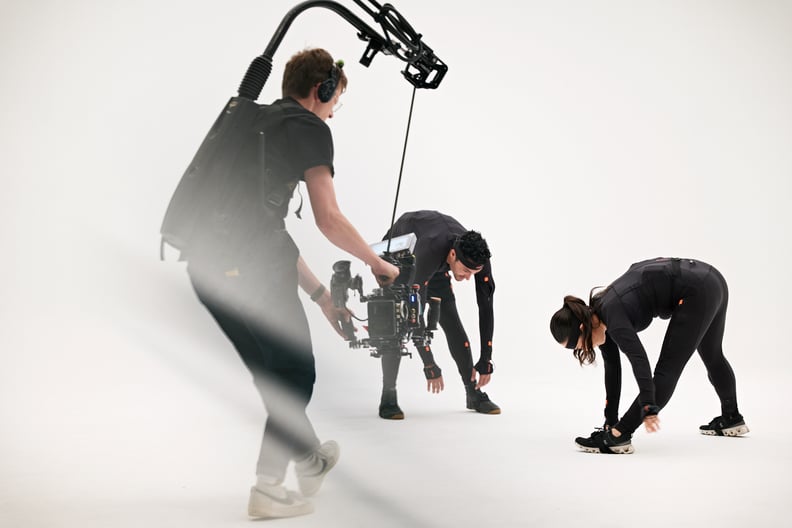
Behind the scenes with Xsens inertial motion capture.
What this means for creative teams
The two approaches do not need to be seen as enemies. A camera with motion tracking shows where the industry is moving: faster access, simpler setup, and more flexible ways to capture performance. Inertial motion capture shows what professional teams still need when the quality of the movement matters: high-quality data, freedom to move, and a workflow built for production.
For studios, educators, streamers, and production teams, the real question is not only how motion is captured. The real question is what you need the motion to do next. If the goal is a quick reference or a rough performance pass, a camera-based workflow can be a useful starting point. If the goal is clean, AAA-ready motion data for animation or real-time production, inertial motion capture offers a proven route from performance to pipeline.
Final thought
Motion capture is becoming easier to access, but the value still comes from the quality of the data. A camera can show the movement. The right motion capture system helps turn that movement into something professionals can use.
Explore how Xsens helps professionals capture high-quality motion data.